
Asbestos Insulation Board (AIB) Explained
Think you’ve found Asbestos Insulation Board (AIB)? Get a free, no-obligation quote.
BOHS qualified surveyors covering Yorkshire, Lancashire, Greater Manchester and the wider North of England. AIB is high-risk, so identification before any work is essential.
Buildings Surveys & Assessment of ACMs
Management of Asbestos in Buildings
Surveying asbestos since the early 2000s
HSE licence required to remove or repair AIB
Asbestos Insulation Board (AIB): What Is It?
Asbestos insulation board, commonly known as AIB, contains Amosite and Chrysotile (brown and white asbestos) and has a higher asbestos fibre content than asbestos cement. Because of this, it behaves very differently when disturbed, and is treated as a significantly higher risk material.
Where Might I Find Asbestos Insulation Board?
AIB can be found in buildings built before the early 1980s, across all sectors, including offices, schools, industrial, commercial and domestic properties. It was widely used for fire protection on ceilings, partitions, columns and beam cladding, among other applications, largely because of its excellent fire-resistant properties.
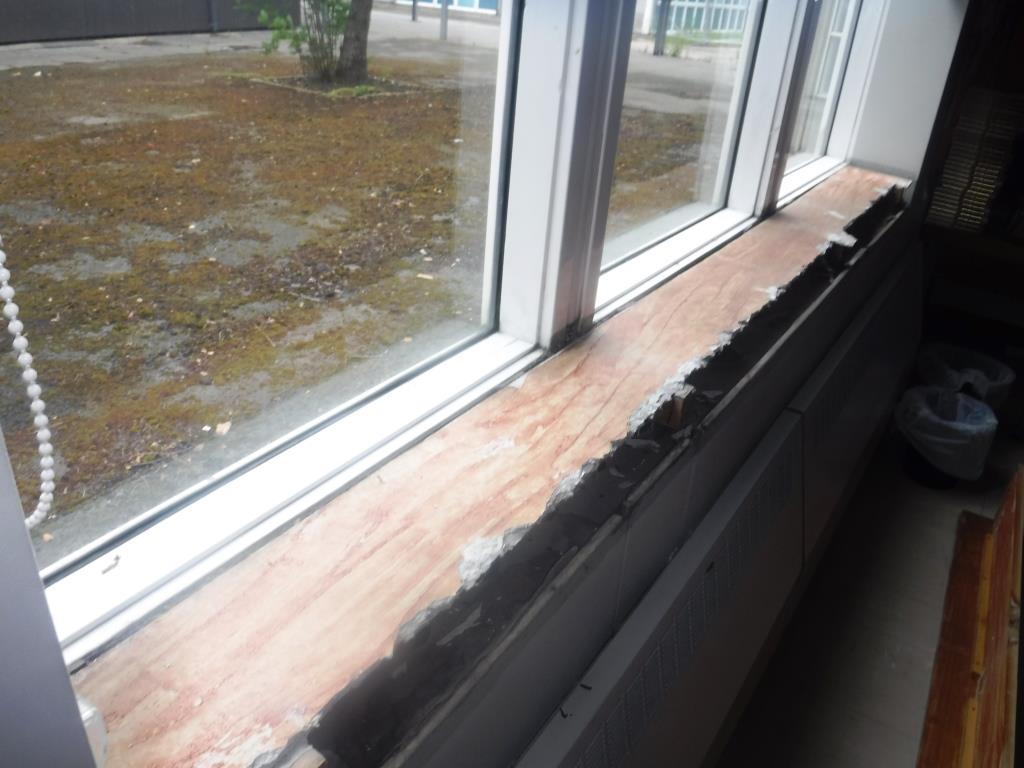
How to Spot Asbestos Insulation Board
AIB is often mistaken for ordinary plasterboard, as the two can look very similar once painted or decorated over. It is typically pale grey or cream in colour, rigid, and noticeably heavier than plasterboard for its thickness. Common locations include ceiling tiles, the underside of window sills, fire doors, and panels enclosing pipework or columns. Because it looks so similar to modern boarding, visual identification alone is not reliable, laboratory testing is the only way to confirm whether a board is AIB.
Planning work near ceiling panels, partitions or fire doors?
We are happy to give advice over the phone at no charge. No sales pressure – just straightforward guidance from qualified surveyors.
How Safe Is It?
AIB is less dense and softer than asbestos cement. When damaged, it releases considerably more asbestos fibre into the air. As a result, it falls under the Health and Safety Executive’s Asbestos Licensing Regime, and only companies holding a current HSE-issued asbestos licence may remove or repair it.
Very limited, strictly controlled tasks, such as drilling a single hole or removing one small screwed-in panel, may fall under non-licensed work in specific circumstances, but this is narrowly defined and should never be assumed without professional advice. In almost all practical situations, AIB should be treated as licensed work only.
What to Do If You Find It
If you suspect a board is AIB, avoid drilling, cutting, sanding or removing it yourself. Even minor damage can release a significant amount of fibre compared with more tightly bonded materials such as asbestos cement. Have the material sampled and confirmed by testing, and if removal or repair is needed, only use a contractor holding a current HSE asbestos licence.
For further information on working with asbestos, see the HSE website: Asbestos Essentials, or contact us for free advice.
Get in touch with HSG Surveys today
Free advice. No-obligation quotes. BOHS qualified surveyors. UKAS-accredited laboratory testing.